
ECO HARMONY
Our Commitment to Environmental Stewardship through Energy, Water, and Waste Management
QES is committed to sustainable resource management, with initiatives aligned with the UNSDGs, particularly:
• SDG 7: Affordable and Clean Energy
• SDG 12: Responsible Consumption and Production
• SDG 13: Climate Action
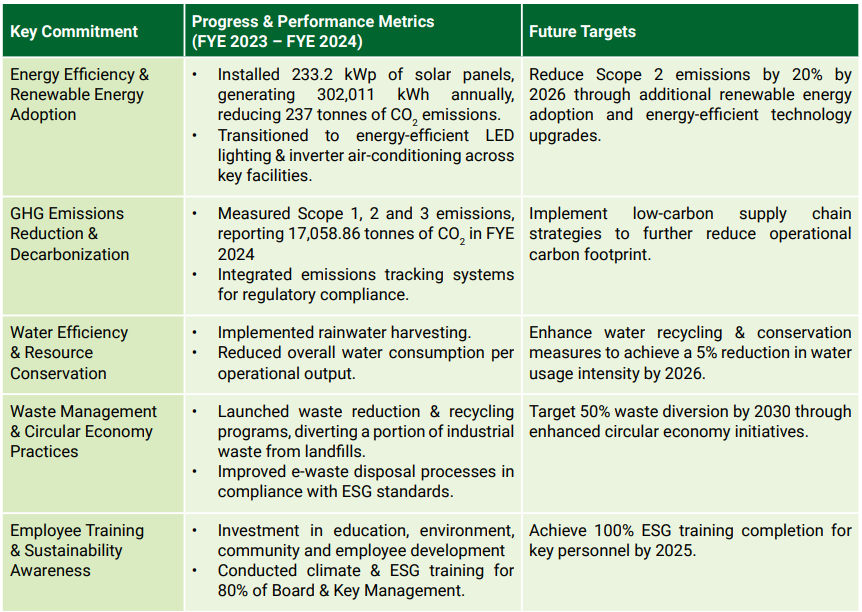
Our sustainability strategy encompasses waste management, energy efficiency, and water conservation, reinforcing our dedication to minimizing environmental impact.Through proactive environmental strategies, we aim to minimize resource consumption, reduce emissions, and promote circular economy principles. This section outlines our initiatives and achievements in waste, energy, water, and emissions management, demonstrating our commitment to continuous improvement.
As part of this commitment, our Manufacturing Division at the headquarters (HQ) achieved ISO 14001:2015 certification in 2024, covering 100% of operations at the HQ manufacturing site. This internationally recognized environmental management system underscores QES’s strong governance framework for environmental responsibility and our commitment to continuous improvement in resource efficiency and sustainable operations.

CLIMATE CHANGE
We have initiated the measurement of our operational greenhouse gas (“GHG”) emissions and have disclosed Scope 1, Scope 2, and Scope 3 data for FYE 2024. As we progress, we are committed to continuously enhance the accuracy and robustness of our emissions data through improved measurement and monitoring practices. Our goal is to embed climate considerations into our strategic planning and operations, ensuring continuous improvement and alignment with sustainability best practices.
Climate-Related Risk and Opportunities
We recognize that climate change presents both risks and opportunities for our business. Climate-related risks, such as regulatory changes, extreme weather events, and shifts in market demand, are recognized as potential threats that could impact our operations and financial performance. Conversely, opportunities such as advancements in sustainable technologies and increased market demand for green products present avenues for growth and innovation. To manage climate-related risks effectively, we will implement a structured approach to risk identification and assessment which shall involve continuous monitoring of external factors such as regulatory changes, extreme weather events, and market trends. By staying informed, we are able to proactively identify and assess potential climate-related risks. We are also committed to engaging with stakeholders, including industry experts and regulators, to gain insights into potential climate-related threats and opportunities to help us refine our understanding and response strategies.
GREENHOUSE HAS (GHG) EMISSIONS
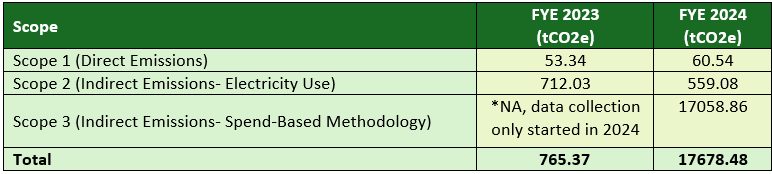
As part of our commitment to reducing our environmental footprints, we continuously monitor and manage our Scope 1 and Scope 2 GHG emissions within our organisational boundary, which covers QES’s operations in Malaysia. Our emissions are consolidated using the operational control approach, whereby QES accounts for 100% of emissions from operations over which we have full authority to introduce and implement operating policies. In FYE 2024, we achieved a notable 19.04% reduction in total operational emissions compared to FYE 2023, demonstrating the impact of our energy efficiency initiatives and increased renewable energy integration.
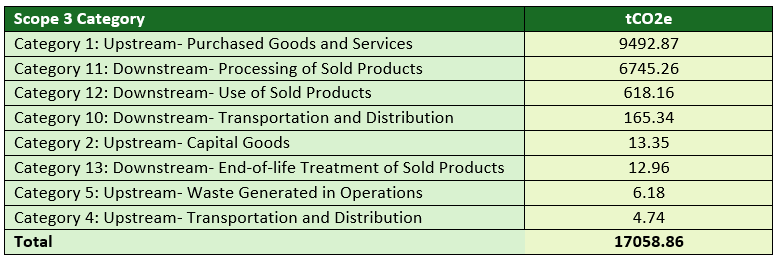
In FYE 2024, QES also initiated the measurement of Scope 3 GHG emissions, marking a key milestone in expanding the scope of our climate action efforts. We adopted a spend-based methodology, which estimates emissions based on expenditure on goods and services for upstream categories and revenue generated across various industry sectors for downstream categories. Scope 3 emissions were estimated at 17,058.86 tCO2 e, bringing total GHG emissions (Scope 1, 2, and 3) for FYE 2024 to 17,678.48 tCO2 e.
QES remains committed to enhancing the accuracy and completeness of our emissions data. As part of our sustainability roadmap, we aim to continuously improve our measurement and monitoring processes to support more informed decision-making and drive meaningful progress towards our climate goals.

Key Factors Driving Emissions Reduction
The 19.04% reduction in GHG emissions aligns with our long-term carbon reduction targets and supports global climate commitments such as the Paris Agreement and Bursa Malaysia’s climate disclosure expectations. Moving forward, we aim to: Further reduce Scope 2 emissions by expanding our solar energy capacity. Implement additional fuel efficiency measures to control Scope 1 emissions. Continue enhancing energy conservation strategies across all operations. Through these measures, we remain committed to reducing our carbon footprint while driving sustainable business growth, ensuring resilience in a low-carbon economy.
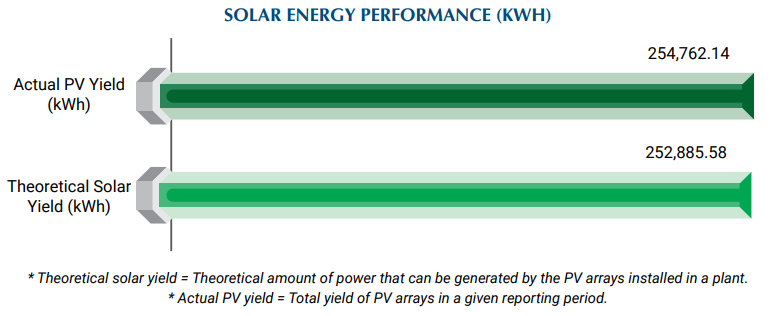
- Renewable Energy Integration: Our solar panel system generated 254,762.14 kWh in FYE 2024, replacing a portion of our electricity demand with clean energy.
- Energy Efficiency Initiatives: The implementation of LED lighting, energy-efficient HVAC systems, and employee engagement programs contributed to lower electricity usage.
- Operational Optimization: A stronger focus on process efficiencies and power management helped curb unnecessary energy waste.
The 19.04% reduction in GHG emissions aligns with our long-term carbon reduction targets and supports global climate commitments such as the Paris Agreement and Bursa Malaysia’s climate disclosure expectations. Moving forward, we aim to: Further reduce Scope 2 emissions by expanding our solar energy capacity. Implement additional fuel efficiency measures to control Scope 1 emissions. Continue enhancing energy conservation strategies across all operations. Through these measures, we remain committed to reducing our carbon footprint while driving sustainable business growth, ensuring resilience in a low-carbon economy.
WASTE MANAGEMENT
The Group remains steadfast in its commitment to environmental stewardship, aligning with the United Nations’ 2030 Agenda and SDG 12.5, which emphasizes responsible consumption and production. Our waste management strategy is built on a proactive 4R approach—Reduce, Reuse, Recycle, and Recover—to minimize environmental impact and optimize resource efficiency. Operating with a sustainability-first mindset, we strive to minimize waste generation and ensure compliance with environmental laws and regulations. We adhere to industry best practices, particularly in the management of subcontractors, ensuring that our operations meet the highest environmental standards. This commitment is reflected in our performance, with zero environmental fines or penalties during FYE 2024.
FYE 2024 Waste Management Initiatives include:
- Recycling Stations on Every Floor – We introduced dedicated recycling stations at all office floors, making it easier for employees to separate waste correctly.
- Source Separation Workshop – Employees participated in an interactive workshop on the impact of improper recycling, providing hands-on experience in effective waste segregation.
- Educational Videos & Posters – To raise awareness, we developed informative recycling videos and posters, guiding employees on the correct disposal of different waste types and emphasizing the importance of proper waste segregation.
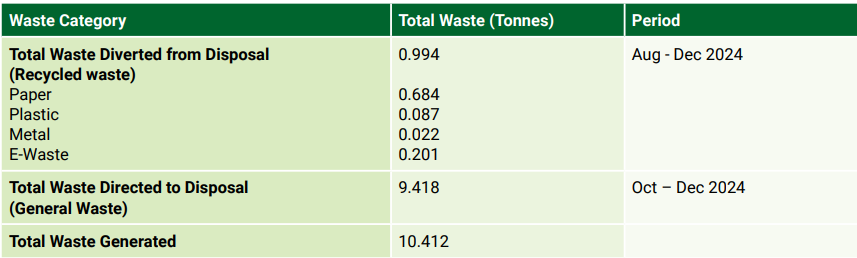
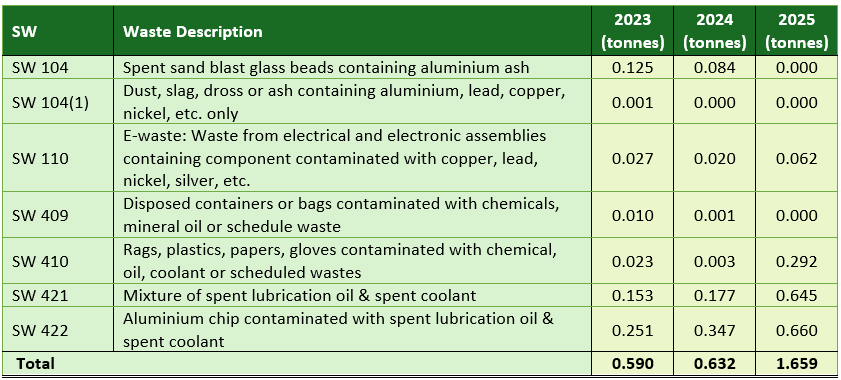
QES is committed to managing hazardous waste responsibly in compliance with regulatory requirements and best practices. We continuously monitor, segregate and dispose of hazardous waste through licensed contractors to minimise environmental impacts and ensure safe handling.
The table below discloses three years of hazardous waste generation by waste category (tonnes):
ENERGY MANAGEMENT
In today’s world, climate change and energy security have emerged as critical global challenges, prompting governments worldwide to allocate significant resources toward sustainability. Policies are being enforced to ensure businesses take active steps in shaping a cleaner, more sustainable future. At QES, we remain dedicated to sustainability by continuously monitoring and optimizing our energy consumption across all facilities and operations. Our goal is to enhance energy efficiency, reduce environmental impact, and contribute to global efforts to combat climate change.
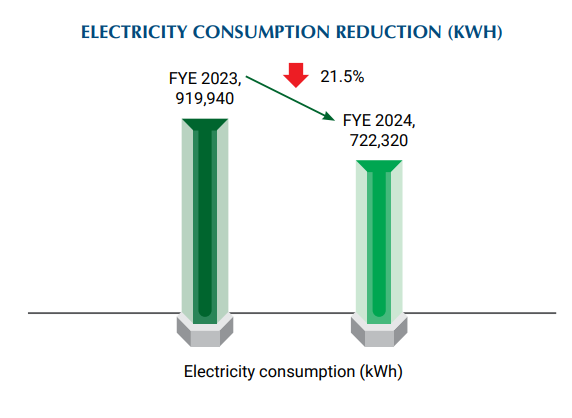
As a key player in the manufacturing sector, electricity consumption represents a substantial operational cost. Proactively managing and optimizing our energy usage not only supports climate action but also enhances our long[1]term economic efficiency by reducing unnecessary resource consumption. Monitoring and Managing Electricity Consumption We actively track our electricity consumption based on monthly electricity bills to identify opportunities for efficiency improvements. Our Annual Electric Energy Consumption (kWh) for FYE 2023 and FYE 2024 is as follows:

Solar Panel Installation – A Milestone in Renewable Energy
The comparison between theoretical and actual PV yield (illustrated in the first chart) highlights the efficiency of our solar panel system. This confirms that our solar system is operating efficiently and delivering renewable energy at expected performance levels.
Reduction in Energy Consumption (kWh)
Our second chart illustrates the significant reduction in total electricity consumption at our Corporate HQ where we achieved a total reduction of 21.5% in FYE 2024.
Carbon Emission Reduction (CO2 Offset in Tonnes)
The final chart showcases our actual carbon offset achieved through solar energy production:
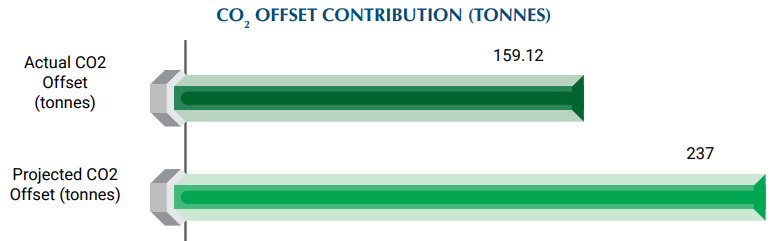
The integration of solar power has proven to be a strategic move in our sustainability efforts, reducing both energy consumption and carbon emissions while enhancing operational efficiency. Moving forward, we aim to:
Through these initiatives, we reaffirm our commitment to achieving long-term environmental sustainability, aligning with global climate action goals and regulatory expectations such as Bursa Malaysia’s sustainability reporting requirements and TCFD recommendations.
- Expand solar energy capacity to further reduce grid dependency.
- Enhance energy efficiency measures across all facilities.
- Improve monitoring and reporting to optimize energy and emission reduction efforts.
Through these initiatives, we reaffirm our commitment to achieving long-term environmental sustainability, aligning with global climate action goals and regulatory expectations such as Bursa Malaysia’s sustainability reporting requirements and TCFD recommendations.
WATER MANAGEMENT
At QES, we recognize the critical role that water conservation plays in sustainability and resource efficiency. While our production activities have a minimal water footprint, our commitment to responsible water usage remains a priority. Water consumption at our facilities is primarily for sanitation, cleaning, and amenity purposes, with no significant industrial discharge or pollution. All wastewater is channelled into the municipal sewage system for proper treatment, ensuring that no contaminants are released into oceans, rivers, groundwater, or other natural water bodies.
Our operational sites rely solely on established water distribution networks, avoiding direct extraction from surface water (rivers, lakes, ponds) or groundwater sources (wells, boreholes). Additionally, we operate exclusively in non[1]water-stressed regions, ensuring that our water consumption does not contribute to regional scarcity issues.
Commitment to Water Conservation During the fiscal year, QES recorded zero incidents of non-compliance with water quality standards and regulations. While our water usage remains relatively low, we recognize the importance of water security and are dedicated to implementing sustainable water management practices. Our ongoing commitment includes: Exploring environmentally friendly water conservation methods Improving water efficiency across all offices and operations Safeguarding clean water for present and future generations.
Key Water Conservation Initiatives: Rainwater Harvesting System To further reduce reliance on municipal water sources, we have installed a rainwater harvesting system at our Corporate HQ. This system allows us to: Capture and store rainwater for non-potable uses such as cleaning, irrigation, and gardening Minimize dependency on treated municipal water Support long-term water sustainability
We actively track our water consumption based on monthly water bills to ensure responsible usage. The Annual Water Consumption (m³) for FYE 2023 and FYE 2024 is outlined below:

Our Commitment to the Future
Through Eco Harmony, QES is dedicated to driving positive environmental change. As we continue to innovate and expand our sustainability programs, we remain steadfast in our mission to create a cleaner, greener, and more sustainable world for future generations. Our efforts align with the United Nations Sustainable Development Goals (SDGs), demonstrating our commitment to environmental responsibility and corporate accountability.

2024 @ QES GROUP BERHAD (201401042911)